A Reflective Start to the New Academic Year

By Mr Gardner, Senior Deputy Head

It’s been a joy to begin the new academic year with such energy and purpose. Already, our students have embraced a wide range of experiences, and their enthusiasm has set a wonderful tone for the term ahead.

Over the summer, many took part in opportunities that speak to the richness of a BGS education. One group completed their Gold Duke of Edinburgh’s Award expedition in the Lake District, showing real grit, teamwork and leadership. Our rowers represented Great Britain at an international regatta in France, a proud moment that reflects their dedication and skill. The Music Tour to Germany gave students the chance to perform abroad, and we were lucky enough to hear one of their moving pieces during our first assembly of the term. Alongside this, theatre trips, sports fixtures and pre-season training reminded us of the many ways our students grow beyond the classroom.

These experiences reflect the values we hold close: being Bold, Imaginative and Reflective. Whether navigating tough terrain, performing to new audiences or competing on the international stage, our students showed courage, creativity and thoughtfulness. These are qualities that will serve them well, both now and in the future.

In our first whole school assembly, we explored these values through the lens of the Lionesses’ historic win at the UEFA Women’s EURO 2025. Their victory in Basel, England’s first major tournament win overseas, was more than a sporting achievement. It was a powerful example of belief and perseverance.

Chloe Kelly, who scored the winning penalty, stood out as someone who lives these values. Her boldness in stepping up at a crucial moment, her determination to come back stronger after injury, and the creativity she nurtured from a young age all speak to the kind of resilience we hope to foster in our students.

This message feels especially timely as we welcome our new Year 7s into Senior School. Starting this new chapter brings fresh opportunities, new routines and responsibilities. With specialist teachers, dedicated form tutors and strong pastoral support, we’re here to help every student settle in, find their feet and flourish.

I’m incredibly proud of how our community has started the term: with ambition, energy and a thoughtful approach to both challenges and successes. As the year unfolds, I look forward to seeing our students continue to live out our values by stepping forward with confidence, thinking creatively and reflecting with purpose.
Ready to Soar

By Mr Gardner, Senior Deputy Head

Tuesday’s Prize Giving was a truly special occasion, celebrating our Years 11 through Upper Sixth students at this pivotal point of transition. The day provided a perfect opportunity to pause and recognise the remarkable growth our students have shown throughout the year.

As I stood before our prize winners and their families, I was struck by how quickly the school year passes. We often race from one activity to another without creating enough space to recognise how far we’ve come. Every student present, prize winner or not, deserves congratulations for trying new things, overcoming challenges and continuing to grow.

This year’s focus on Reflection as our core value feels particularly relevant at this time of transition. I wanted our students to think beyond the typical associations with reflection, those moments when something hasn’t gone to plan, and instead see it as a powerful tool that can shape what comes next.

As Michelle Obama said: “You should never view your challenges as a disadvantage. Instead, it’s important for you to understand that your experience facing and overcoming adversity is actually one of your biggest advantages.” That’s what true reflection is about: not dwelling on what went wrong, but learning from every part of life, including what goes right. I encouraged our students to reflect on the maths question that finally made sense, the adrenaline rush from applause at the end of a performance, or the satisfaction of scoring a goal.

There’s actually fascinating science behind this. When we allow our minds to rest, whether through walking, listening to music, or simply doing nothing, our brains enter what neuroscientists call the Default Mode Network. This is where deep thinking, memory consolidation, and creative insight happen. It’s our brain’s way of piecing together experiences and preparing us for future decisions. In other words, when we stop and reflect, we’re not wasting time, we’re growing.

Reflection can unlock surprising connections. Perhaps a love of art helps reveal patterns in science, or empathy in friendships develops into leadership skills. I shared my own journey, once dreaming of life in a band but finding my path as a music teacher through reflecting on my strengths and passions. Even recently, taking on new leadership responsibilities has led me to reflect on handling different situations, helping me grow as an educator and leader.

Take Emma Raducanu, who stepped away after facing criticism following her US Open win, using that time to reflect and return with greater clarity. Or Taylor Swift, who says reflection helps her stay true to her values: “I never want to change so much that people can’t recognise me.”

So here’s my invitation to our students as they transition to their next chapters: take time this summer to reflect on a moment that brought you inner pride. Ask yourself not just what you’re grateful for, but what surprised you, and most importantly, what might this lead to? These reflections might reveal new study approaches, confidence to try new activities, or seeds for future paths. Could it lead to more independent learning at university? The confidence to step out of your comfort zone and try a new sport or hobby? Using your voice for positive change? Unless you try, you’ll never know what connections could be there.

It is easy, as we race from one thing to another,  not to create the space to recognise how far we’ve come, both as individuals and as a community. But our students have shown incredible resilience, creativity, and growth this year. To our staff and parents, thank you for always putting students first and creating such a supportive environment.

As Maya Angelou reminds us: “Do the best you can until you know better. Then when you know better, do better.” Our students have come so far and are now ready to soar.

Joining a Global Community

At BGS, we are always looking for ways to deepen our commitment to educational excellence and the empowerment of our students. We are excited to extend our global network and become members of the International Coalition of Girls’ Schools (ICGS).

The ICGS is the leading advocate for girls’ education worldwide, uniting over 500 schools across more than 20 countries in a shared mission to advance best practices in teaching girls. By joining this global community, we gain access to cutting-edge research, expert-led professional development, and a wealth of international collaboration opportunities, all focused on the unique ways girls learn, lead, and thrive. Just this week they have published fascinating research into the 10 advantages of girls only education, further strengthening our understanding of the clear benefits that single-sex education has for girls, both whilst they are in school and beyond.      

Through the ICGS network, our staff will engage with the latest findings in girls’ education research, ranging from strategies for building confidence in STEM subjects to fostering resilience, leadership, and a strong sense of self in young women. We will also be able to share our knowledge and expertise with our global partners, strengthening alliances with schools around the globe.  

One immediate impact of this membership is our increased access to resources that will directly inform classroom practice. Teachers will be able to draw on global case studies, attend specialised conferences, and participate in collaborative projects with other member schools. These opportunities will allow us to tailor our teaching even more precisely to how girls learn best, ensuring that our students benefit from educational strategies grounded in the latest international practices.

I am particularly excited by the possibilities our new network will be able to offer BGS girls.  By connecting with girls’ schools around the world, we can create new opportunities for cross-cultural dialogue, joint initiatives and leadership exchanges; experiences that will inspire our students to see themselves as part of a vibrant global community of changemakers.

Ultimately, this new chapter reinforces BGS’s unwavering commitment to ensuring every student flourishes, both within and beyond the classroom. We are thrilled to embark on this journey and excited to see the impact it will have on our community of learners. 

Shaping Future Choices

By Mr Gardner, Senior Deputy Head – Teaching and Learning

At this time of year, I have the privilege of guiding students as they navigate some of the most significant academic decisions of their young lives. For our Year 9 students, this means selecting their GCSE options, while Year 8 students are beginning to explore subjects that will shape their interests and future studies. Though the process can feel overwhelming at first, it also offers an exciting chance for students to take ownership of their learning journey.

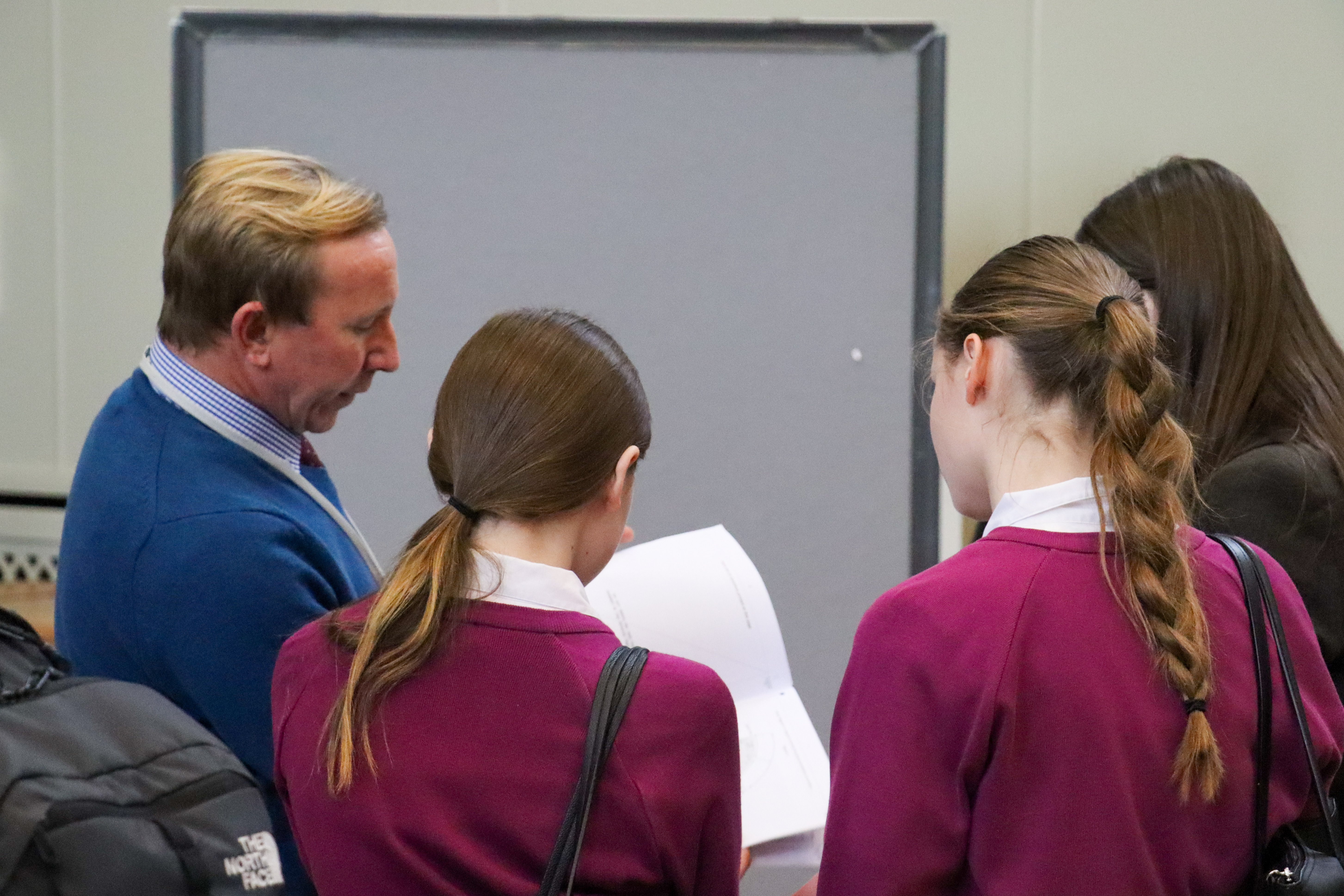
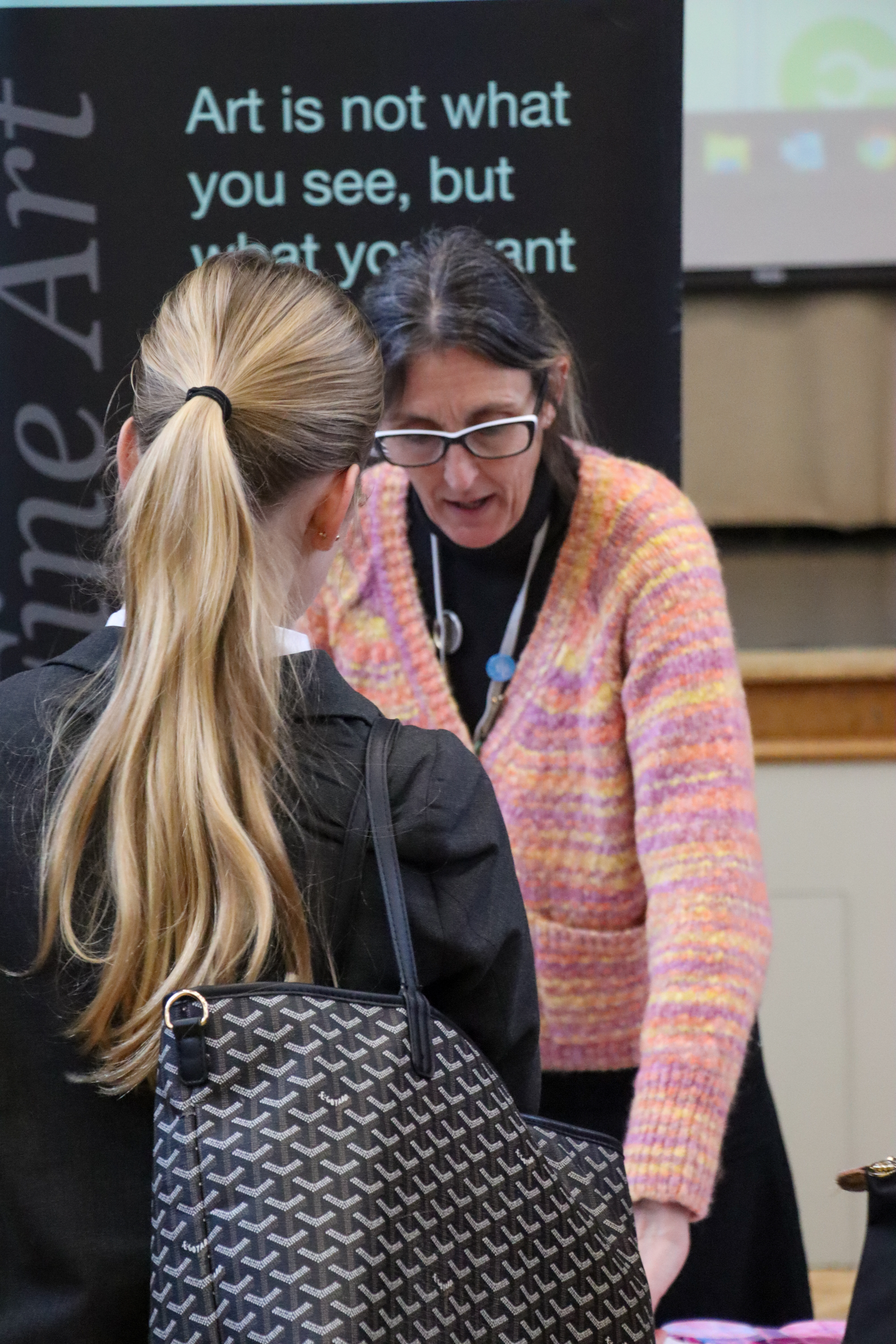
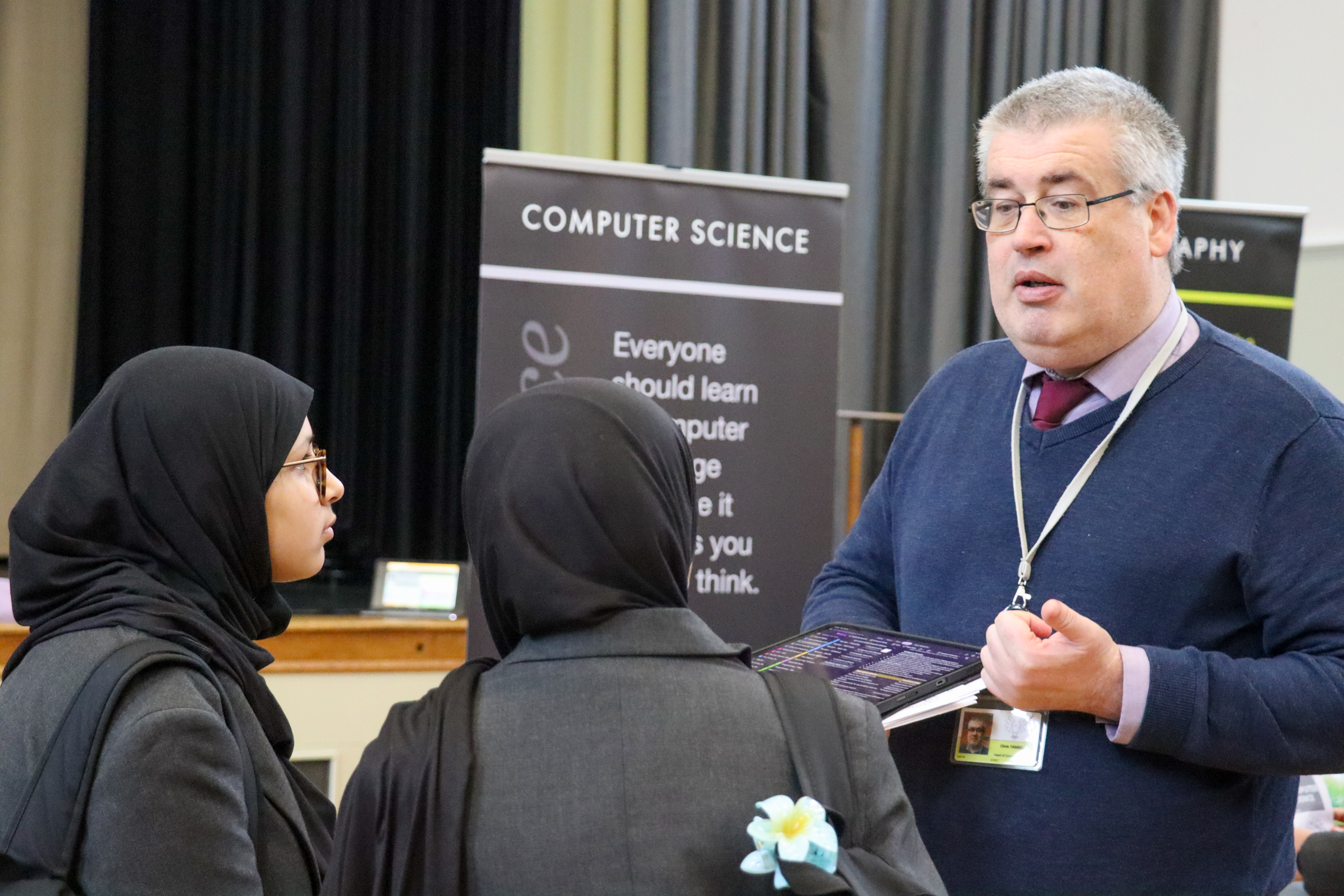
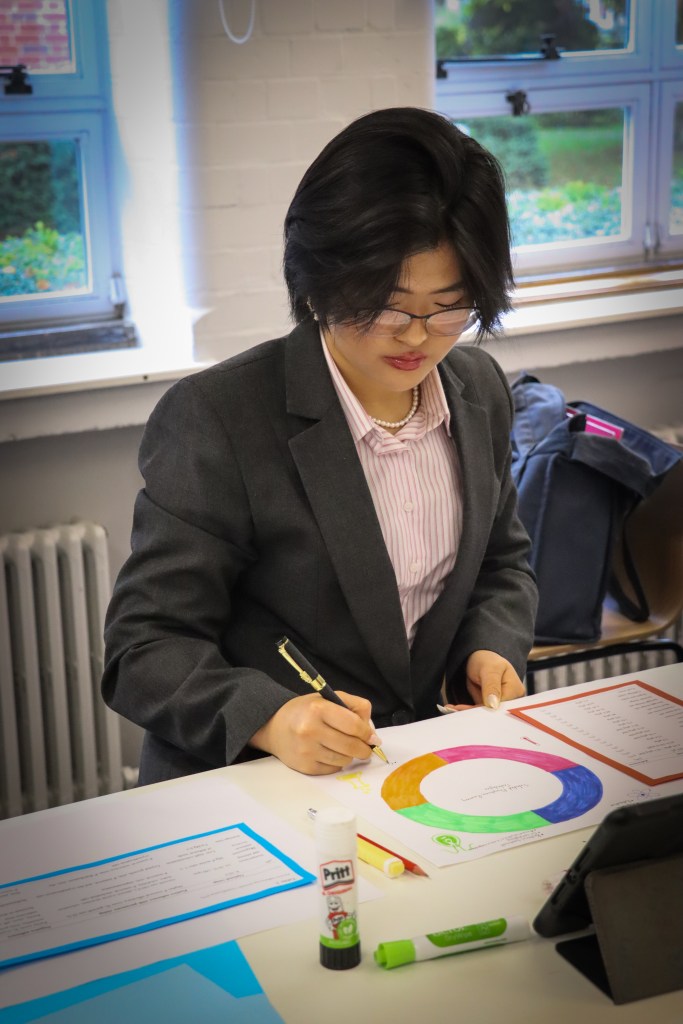
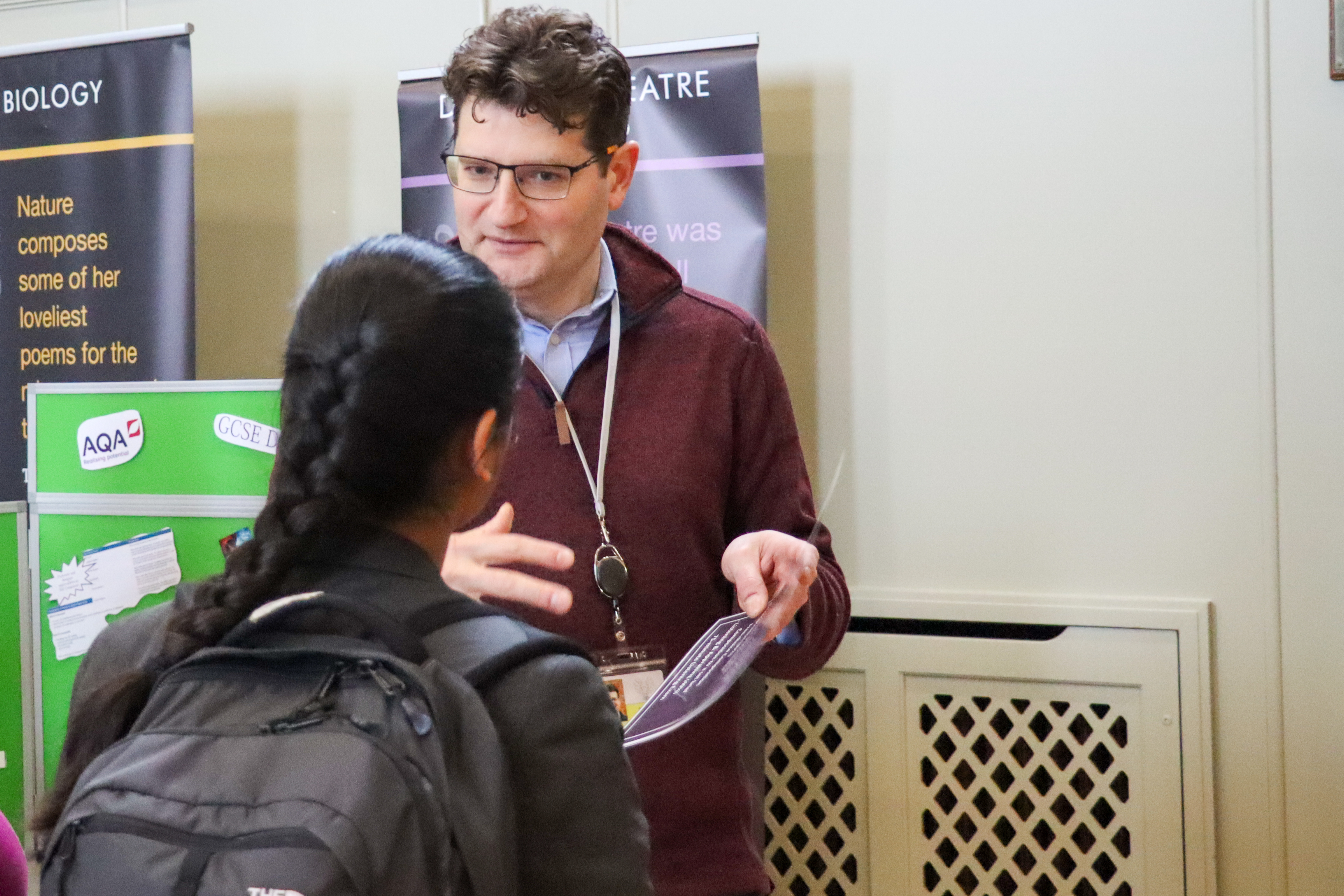
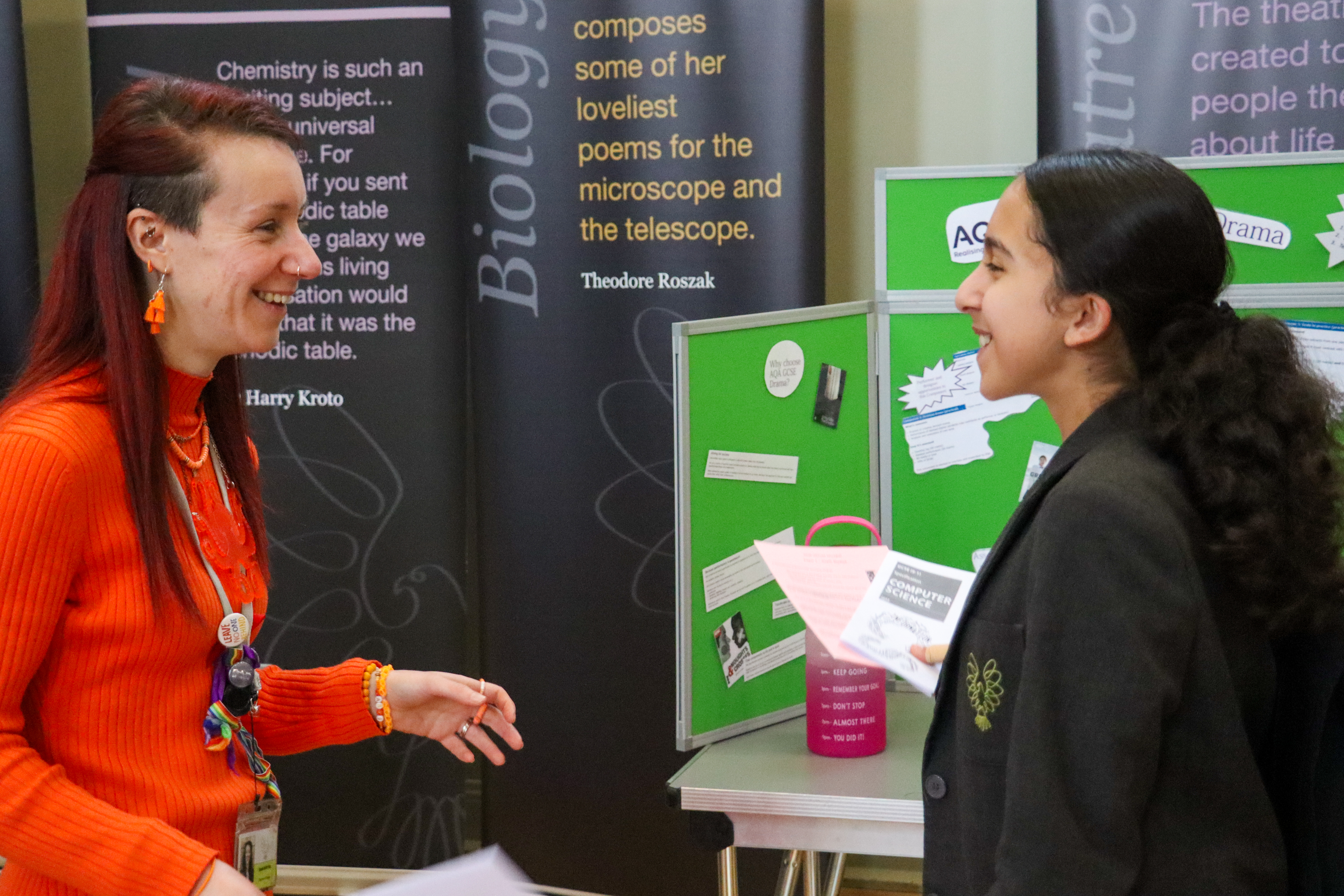
Last week, we hosted the Year 8 Options Fayre, an event designed to support our students during this crucial decision-making period. The fayre provided a valuable opportunity for Year 8 students to connect with subject teachers, ask questions, and explore the breadth of options available to them. For many, this was their first step in thinking more strategically about their studies. Speaking with teachers helped them understand how their subject choices for the coming year could influence their GCSE options and beyond. This early insight is essential in fostering curiosity and encouraging students to consider paths they may not have previously imagined.

This week, the spotlight turned to our Year 9 students with their own Options Fayre, focusing on GCSEs – a pivotal stage in shaping their academic journey. The fayre allowed students to dive deeper into subjects they are considering, from core areas like science to exciting electives such as drama, computer science, and design technology. Teachers were on hand to discuss course content, assessment methods, and the skills each subject develops, helping students make informed decisions based on their interests and goals.

What stood out to me during both events was the enthusiasm and maturity of our students. Many arrived well-prepared with thoughtful questions, eager to understand how different subjects align with their passions and potential career aspirations.

Ultimately, choosing subjects is about much more than academic decisions. It is a chance for students to reflect on their strengths, interests, and ambitions. At BGS, we are committed to ensuring every student feels supported and inspired as they embark on these exciting chapters of their educational journey.

Bridging Disciplines for a Sustainable Future

By Mr Gardner, Senior Deputy Head – Teaching and Learning

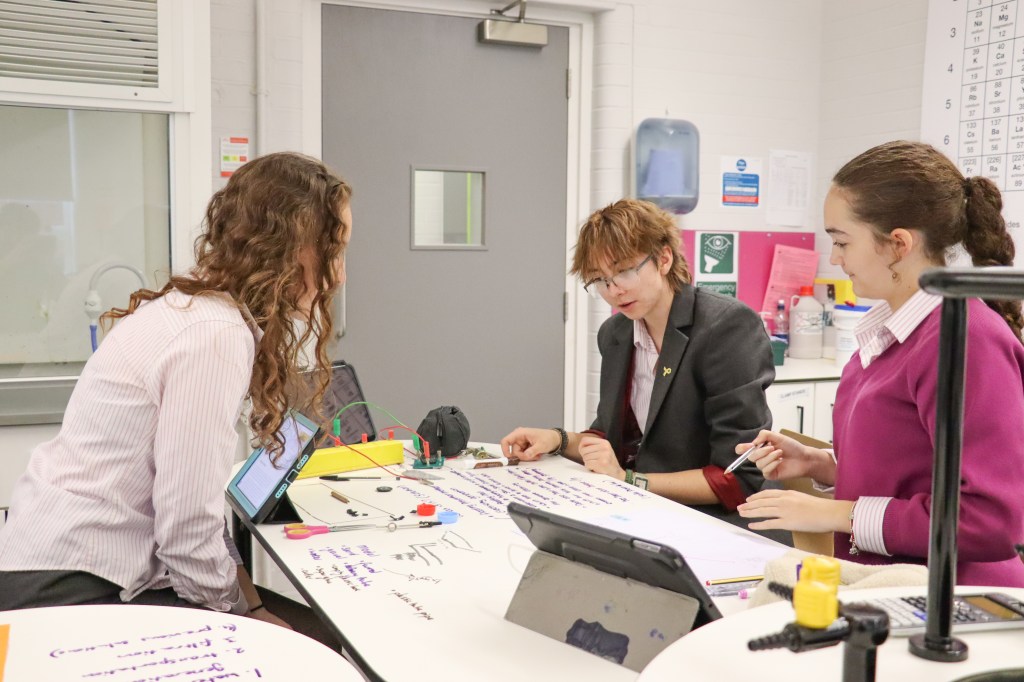
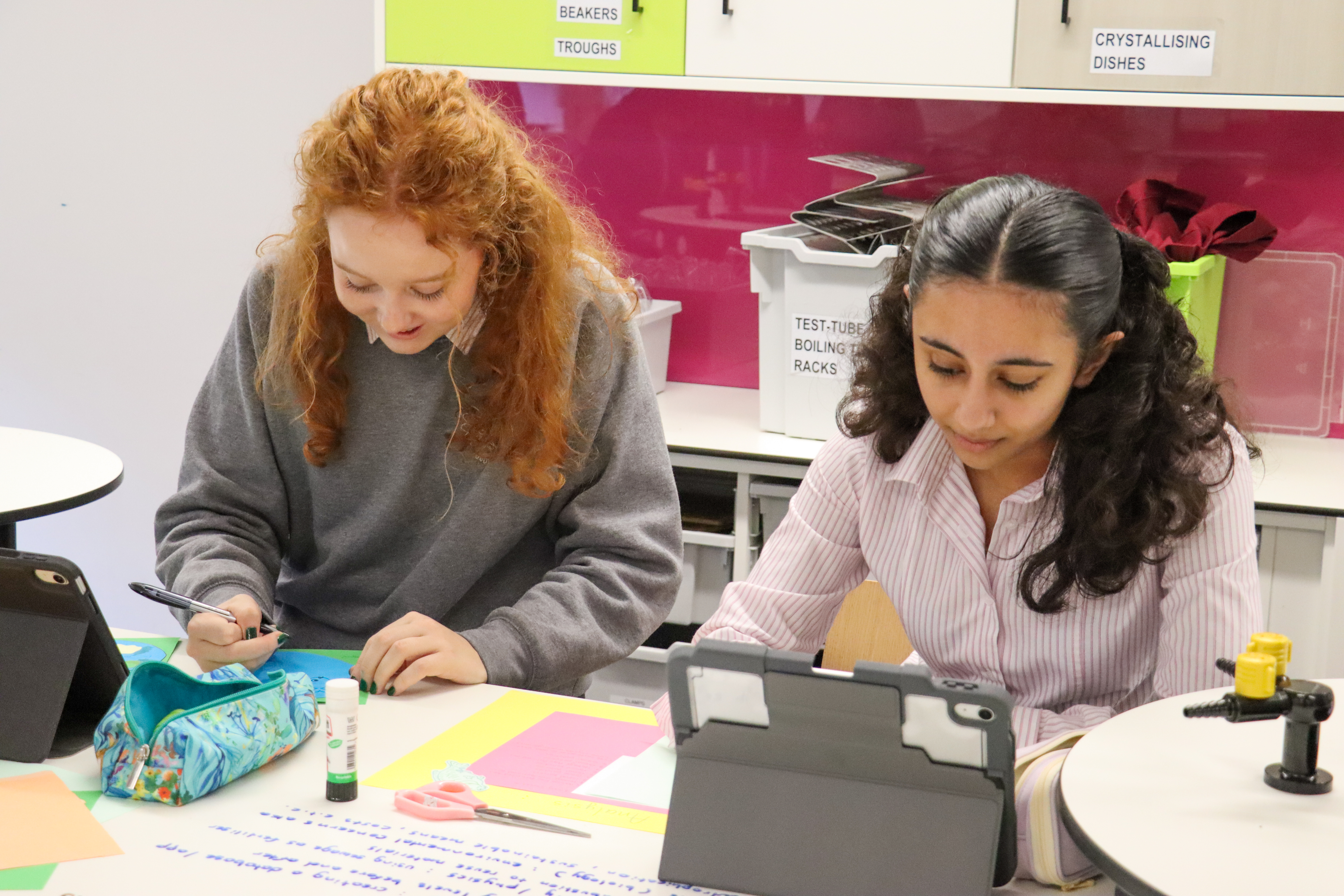
As we conclude this first half term, I am thrilled to reflect on the incredible efforts of our Lower Sixth IB students in the Group 4 Science project, which is a foundational aspect of the IB Diploma Programme that fosters collaboration, interdisciplinary exploration, and innovative problem-solving. This project unites students across biology, chemistry, physics, and computer science to tackle complex, real-world issues in meaningful ways. It also demonstrates how quickly the IB approaches to learning are being embedded as the students tackle the project through wide perspectives and a variety of methods.

This year, each group chose a unique theme that addressed a crucial environmental question, showcasing their creativity and commitment to sustainability. One group focused on the question: How do we improve water quality through sustainable means? Through extensive research into eco-friendly filtration methods and low-impact water treatment options, they developed solutions that reduce pollution without compromising the health of ecosystems. This group’s work highlighted how sustainable approaches can enhance water quality and benefit both people and the environment.

Another group addressed the pressing issue of managing water resources in rapidly urbanising areas. They explored how infrastructure, technology, and efficient planning could optimise water use and support growing urban populations. Their project underscored the complexities of urban water management and demonstrated the importance of integrated solutions to meet rising demand sustainably.

A third group examined the question: In what ways can we use excess water to generate electricity? With a focus on renewable energy, this group explored innovative approaches to capturing energy from surplus water through small-scale hydropower and wastewater energy recovery methods. Their project provided insight into how renewable energy sources can support a sustainable future by using resources that might otherwise be overlooked.

The Group 4 project perfectly exemplifies the IB’s commitment to fostering critical thinking, collaboration, and real-world problem-solving. Students not only studied science in theory; they applied it to address some of today’s most urgent environmental challenges. Working across disciplines allowed them to gain a comprehensive view of complex issues and to develop the practical skills needed to create meaningful solutions.

I am immensely proud of our students’ commitment to sustainable change. Their projects serve as a testament to the power of science education in inspiring a new generation of environmentally conscious, globally minded thinkers. I am confident that their work will motivate others to see the potential of science in shaping a sustainable future.

IB Experiential Learning Day

The IB places emphasis upon individual initiative, personal responsibility, imagination and problem-solving, all skills future employment will require.” Sir Anthony Seldon,  Leading Educationalist.

On Wednesday 26th June, our students in Years 7 to 10 will take part in an International Baccalaureate (IB) experiential learning day. This event aims to deepen their understanding of the IB philosophy and develop essential skills through various innovative and collaborative activities. Each year group will focus on different aspects of the IB Learner Profile, enhancing their academic and personal growth in unique ways.

Year 7 students will engage in inquiry-based activities designed to explore and develop the IB Learner Profile attributes. Through these activities, they will foster international mindedness and enhance their understanding of global issues and diverse cultures. This experience will encourage them to think critically and empathetically about the world around them, fostering their growth as compassionate and informed global citizens.

Year 8 students will focus on improving their research and communication skills within the context of science. They will explore the relationships between various scientific disciplines and their impact on other areas of knowledge. This interdisciplinary approach will deepen their scientific understanding and demonstrate the interconnectedness of different fields of study.

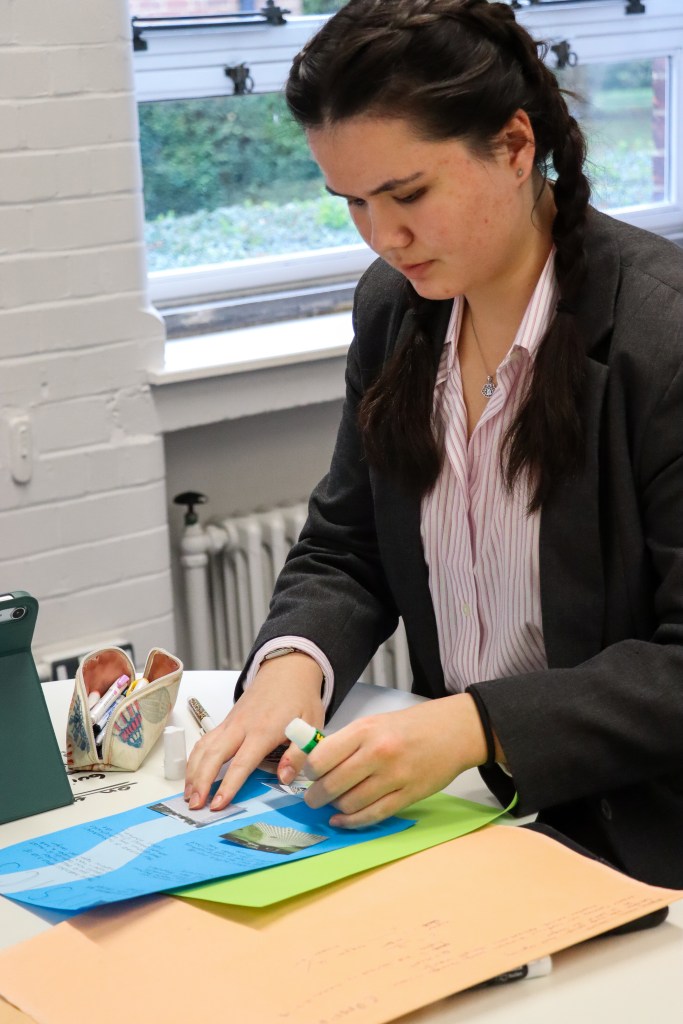
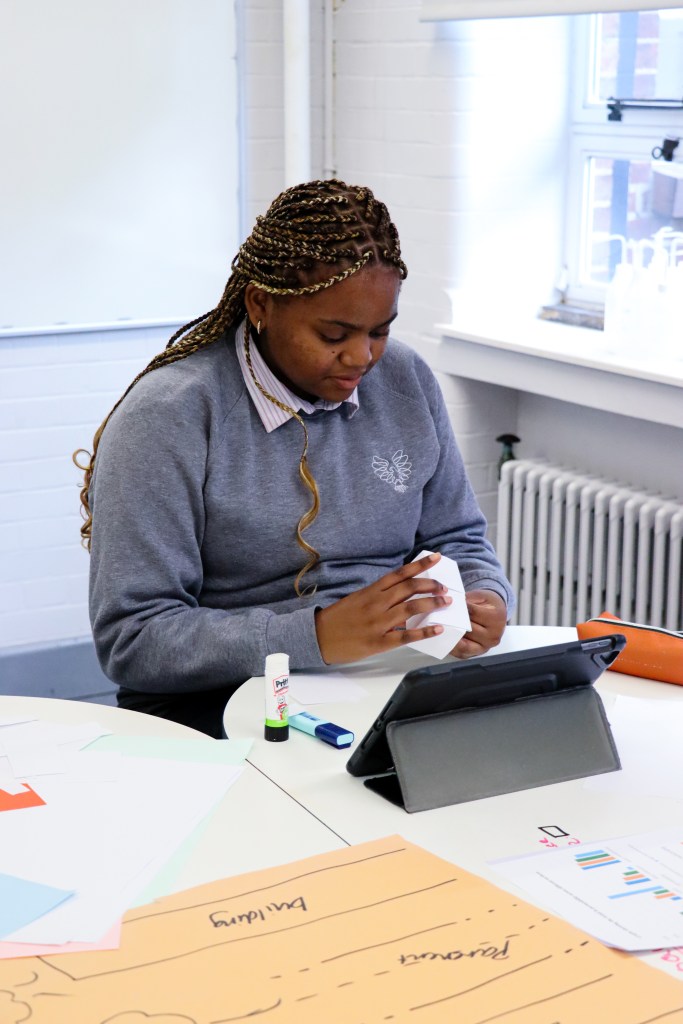
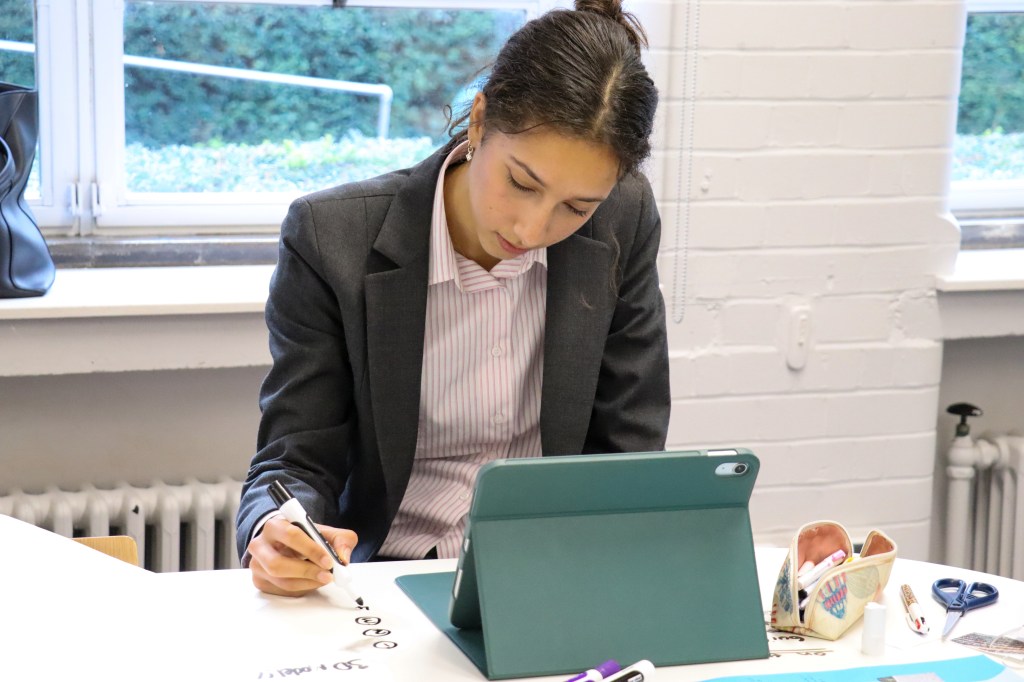
Collaboration and innovation will be central to the Year 9 experience. Students will work together to develop a product aimed at making a positive difference in the lives of others and the world around us. They will then use their presentational skills to communicate their ideas effectively to peers and teachers. This project-based learning approach will inspire creativity, teamwork and a sense of social responsibility.

Year 10 students will gain a better understanding of the IB Diploma Programme through a series of experiential learning activities. Facilitated by subject specialists and BGS IB Alumnae, these activities will provide insights into the challenges and rewards of the Diploma Programme. This hands-on experience will help students make informed decisions about their future academic paths in the Sixth Form.

Following the IB Day, parents are invited to a Curriculum Conversation event at 6:00 pm, offering an overview of the IB Diploma Programme in the Sixth Form. This year, we are delighted to have 2023 BGS Alumnae Sophia Hosseini and Avani Tambe, who will share their personal journeys through the IB Diploma. They will explain how the skills and attributes they developed during the programme supported their transition to university life.

In addition to Sophia’s and Avani’s talk, the event will provide parents with a deeper understanding of the core attributes of the IB. These reflections, combined with Sophia’s and Avani’s talk, will illustrate how the IB’s holistic, inquiry-based approach and focus on global awareness and independent learning create well-rounded individuals ready to navigate the complexities of the modern world.

If you would like to attend the event, click here.

Shaping the Future of Girls’ Education

GSA’s Research Journey

By Mr Gardner, Senior Deputy Head – Teaching and Learning

As a senior leader in girls education it is important to me that I collaborate with colleagues from across the sector to shape the future of single-sex education. I am therefore extremely pleased to be involved in the Girls’ School Association (GSA) Research Committee, a significant endeavour aimed at advancing the field of girls’ education through research and reflective practice.

In mid-January, I had the privilege of attending the inaugural meeting of the Research Committee, where we delved into discussions surrounding the key areas of focus for our upcoming research. The Committee is entrusted with the responsibility of delivering one impactful research project each year with the overarching goal of promoting the unique benefits of single-sex girls’ schools and contributing to the broader discourse on girls’ education for the benefit of all girls in various educational settings.

Reflective practice lies at the heart of our approach as a school, recognising its pivotal role in shaping educational strategies that best cater to the needs of girls. As educators, we understand that informed decisions are born out of a deep understanding of our practices, challenges, and successes. The Research Committee’s commitment to reflective practice aligns seamlessly with the GSA’s mission ‘to be the expert voice of girls’ education, enabling girls and their teachers to flourish’.

Across the Spring Term, we will collaboratively agree on a research question that addresses critical aspects of girls’ education. This will be followed by the design and commissioning of the research during the same term. As the Summer Term approaches, we will launch the research project among the wider GSA membership and engage in the necessary fieldwork to gather valuable insights.

The final and crucial phase of our timeline unfolds in the Autumn Term, where the research will be finalised and published. The committee’s aim is to coincide the publication with the GSA’s Annual Conference in November, providing a platform to share findings, exchange ideas, and contribute to the ongoing dialogue about the future of girls’ education.

By prioritising reflective practice and research, we believe we can play a pivotal role in shaping educational policies, practices, and discourse that will positively impact our students’ education. Through this, we can ensure that our girls receive the best possible education, fostering their growth, empowerment, and success in an ever-evolving world.

I look forward to sharing more updates on our progress in the coming months and witnessing the positive impact our collective efforts will have on the future of girls’ education.

A Tapestry of Learning with the IB Diploma Programme

As we navigate the academic landscape of the term, it brings me great joy to share the multifaceted experiences of our Lower Sixth IB students. In this blog, I reflect on two pivotal elements that define the essence of the IB education – the recent Theory of Knowledge (ToK) trip and the collaborative Group 4 Science project.

Theory of Knowledge (ToK) Trip: Nurturing Inquisitive Minds

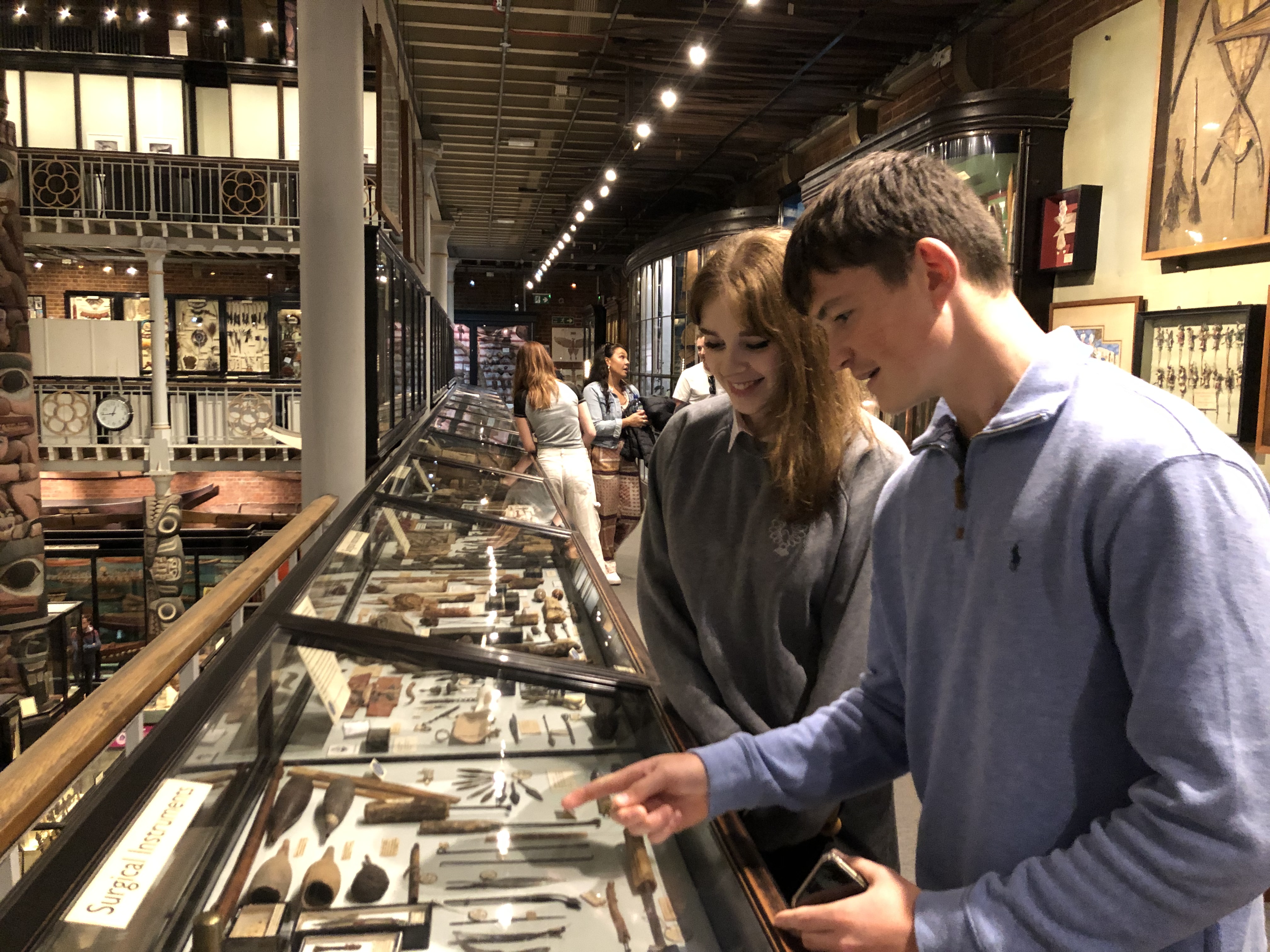
On Friday, 29th September, our Lower Sixth IB cohort embarked on a fascinating journey to the Pitt Rivers Museum and New College, Oxford, as part of our ToK curriculum. This expedition was more than a field trip; it was a deep dive into critical thinking, questioning assumptions, and exploring the nature of knowledge.

Mel Rowntree, the museum’s Education Officer, led discussions on coloniality and the impact of colonialism on first-nation groups. Students were prompted to consider the potential ‘death’ of knowledge systems and deduce information about communities from cultural artefacts. This immersive experience provided valuable insights into the complexity of knowledge acquisition and the influence of power dynamics.

The stroll through Oxford’s historic streets, visits to the Bodleian Library and New College, all underscored the enduring value placed on academic scholarship and interdisciplinary discourse. It was a day of not just learning but also of expanding horizons, sparking critical thinking that will shape our students’ intellectual pursuits in the future.

Group 4 Science Project: Bridging Disciplines for a Sustainable Future

Prior to the half-term break, our Lower Sixth IB students engaged in the collaborative Group 4 Science project—a cornerstone of the IB Diploma Programme. This project encapsulates the essence of the IB approach, encouraging students to work together across scientific disciplines to analyse a common topic or problem.

This year’s theme focused on the National recovery plan for a species in decline. Students tackled complex challenges, from saving the Stout Dart Moth and addressing the surprising decline of puffins to exploring the endangered world of coral reefs and devising solutions for the Nathusius Pipistrelle.

For instance, Deeksha Dinesh’s team developed a comprehensive strategy to save the Stout Dart Moth, involving biology, chemistry, physics, and computer science. Evie Hayward’s group addressed the decline of puffins, linking sciences to solutions that considered the broader environmental impact. Serena Jacob’s collaborative project explored the endangerment of coral reefs, emphasising the urgency of action. Olivia Davies and her team crafted innovative solutions for the Nathusius Pipistrelle, blending scientific knowledge with a commitment to environmental conservation.

These Group 4 projects showcase the IB Programme’s ability to foster not only scientific inquiry but also interdisciplinary collaboration, problem-solving, and effective communication. Students didn’t just learn about science; they applied their knowledge to real-world challenges, reflecting the program’s commitment to holistic education.

Balancing Act: The Merits of the IB Diploma Programme

The Theory of Knowledge trip and the Group 4 Science project are emblematic of the balanced and holistic education offered by the IB Diploma Programme. The ToK trip hones critical thinking and broadens perspectives, while the Group 4 project develops collaboration, application of knowledge, and an understanding of real-world issues.

The IB Diploma Programme isn’t just about exams; it’s about equipping our students with the skills, knowledge, and mindset needed to thrive in an ever-evolving world.

In the coming months, we look forward to more exciting projects and experiences that will further shape our students into informed, engaged, and globally aware individuals.

A Message From the Future – Perspectives on an IB Education

The IB places emphasis upon individual initiative, personal responsibility, imagination and problem-solving, all skills future employment will require.” Sir Anthony Seldon,  Leading Educationalist

On Wednesday, students in Years 7 to 10 participated in the annual International Baccalaureate (IB) experiential learning day, providing them with the opportunity to enhance their understanding of the IB Diploma and to develop their communication, critical and creative thinking skills through a range of collaborative activities and projects. This was followed by a Curriculum Conversation event for parents which provided an overview of the IB Diploma Programme in the Sixth Form. 

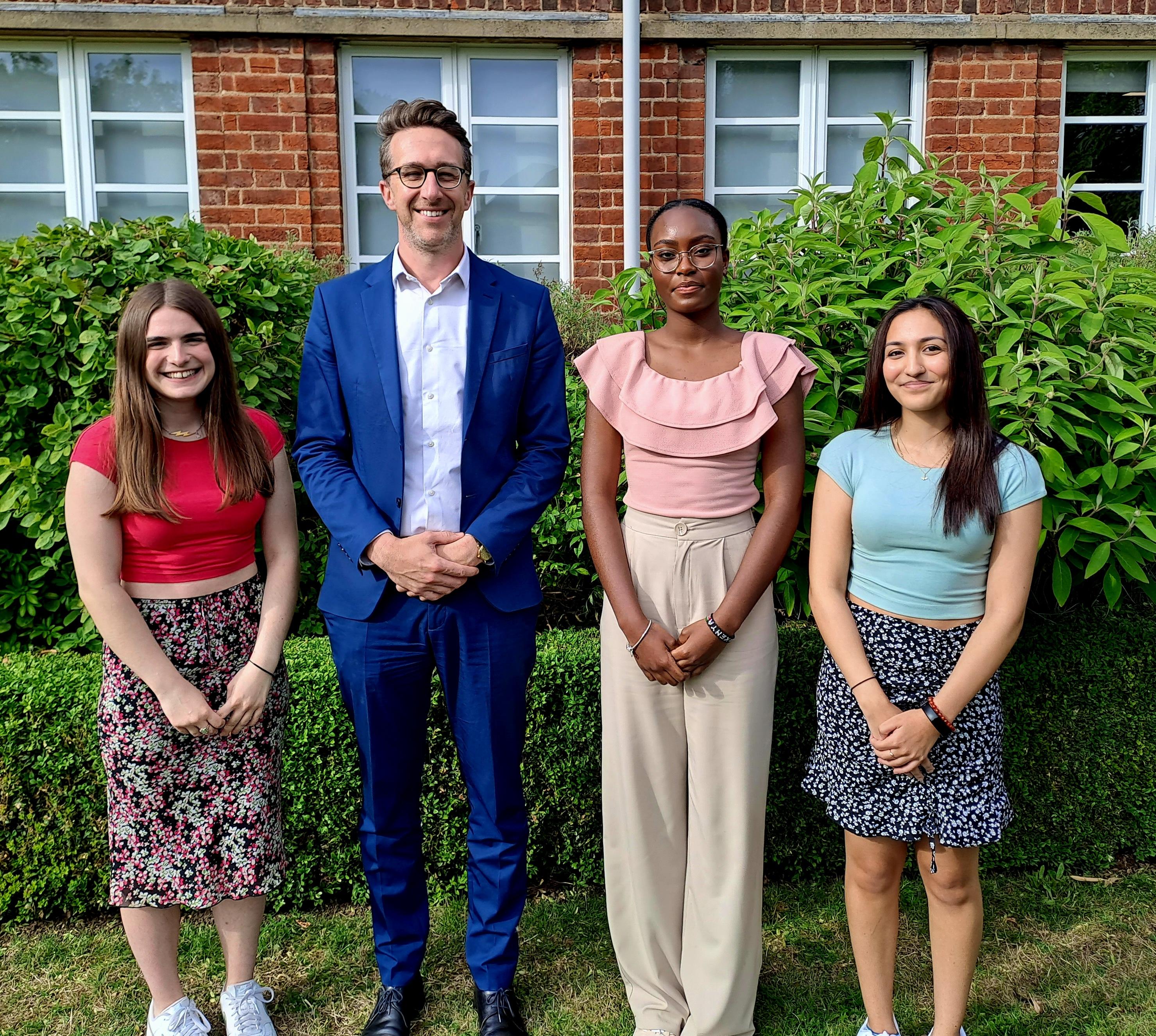
BGS 2022 alumna Grace Gaffey, Meranie Kairu and Matisha Joshi with Mr Gardner, Senior Deputy Head – Teaching and Learning

A key highlight from the Curriculum Conversation was the opportunity for parents to hear from BGS Alumnae, Meranie Kairu, Grace Gaffey and Matisha Joshi (2022). They each shared their own personal journey through the IB Diploma, eloquently describing  how the skills and attributes they developed whilst engaged in the programme supported their transition to university life. Listening to their personal narratives made me reflect on my own reasons for becoming an IB educator and leader; these are some of my thoughts:  

Holistic Learning

The Diploma Programme encourages students to explore a broad range of subjects, including languages, sciences, humanities, mathematics, and the arts. By offering a well-rounded curriculum, we can foster a deep understanding of different disciplines and promote interdisciplinary thinking. This comprehensive approach equips students with a solid foundation for higher education and prepares them to tackle complex challenges in various fields.

Photos from the IB Day

Critical Thinking and Inquiry

The IB program places a strong emphasis on critical thinking and inquiry-based learning. Students are encouraged to question, analyse, and evaluate information from multiple perspectives. This approach not only develops their ability to think critically but also nurtures their curiosity and independent research skills. By actively engaging in the learning process, IB students become lifelong learners who can adapt to new situations, solve problems creatively, and make well-informed decisions.

Global Perspective and Cultural Understanding

In an increasingly interconnected world, it is essential for students to develop a global perspective. The IB curriculum integrates global issues, intercultural awareness, and international-mindedness throughout its courses. Through the study of diverse cultures, languages, and global challenges, students gain a deeper understanding of the interconnectedness of our world. This fosters empathy, tolerance, and respect for different cultures and perspectives, preparing students to become responsible global citizens.

Independent Learning and Self-Motivation

The IB program encourages students to take ownership of their learning journey. By offering a degree of flexibility in subject choices and research topics, students can explore their passions and tailor their education to their strengths and interests. This freedom fosters independent learning, self-motivation, and the development of time management skills. IB students are empowered to set goals, manage projects, and take responsibility for their own academic success, providing a solid foundation for future endeavours.

In conclusion, the IB’s holistic approach, emphasis on critical thinking and global perspective, and commitment to excellence shape students into well-rounded individuals ready to navigate the complexities of the world. By nurturing independent thinking, intercultural understanding, and a passion for lifelong learning we can continue to support IB graduates from BGS to gain the same levels of success as Grace, Meranie and Matisha. 

Foundation to Flourish 

We aspire to develop one approach from Years 3 to Upper Sixth that allows our students to evolve into independent, self-regulating lifelong learners. 

Reflecting back on the Sixth Form Open evening last week, a particular highlight for me was speaking with the current Year 11 students about their future aspirations and how BGS can support them on the pathway to achieving these. We discussed personal areas of strength and interest and how the Sixth Form experience at BGS could help them to develop these on the pathway to university and possible careers.

When I joined BGS in January 2019 these students were at the beginning of their Senior School experience, and I have been fortunate enough to watch them develop their educational interests as they moved from Years 7 to 11. Speaking with students and families about the IB Diploma and A Level courses available to them in the Sixth Form it was clear that they already had a good idea about the subjects which they would like to pursue and how these spoke to their university and career-based interests. One student in particular clearly articulated to me how her formative experiences in the Junior and Senior Schools had helped to develop and shape her strengths and interests in a way that made her feel confident about possible pathways ahead. 

For me this was the defining moment of the evening, hearing that every step in this student’s journey through BGS had helped to scaffold their educational experience to become increasingly independent in thought and more self-regulating in their approach to learning and development. I am excited to see their final choices and to support them as they flourish in their final few years at BGS.