The IB places emphasis upon individual initiative, personal responsibility, imagination and problem-solving, all skills future employment will require.” Sir Anthony Seldon, Leading Educationalist
On Wednesday, students in Years 7 to 10 participated in the annual International Baccalaureate (IB) experiential learning day, providing them with the opportunity to enhance their understanding of the IB Diploma and to develop their communication, critical and creative thinking skills through a range of collaborative activities and projects. This was followed by a Curriculum Conversation event for parents which provided an overview of the IB Diploma Programme in the Sixth Form.
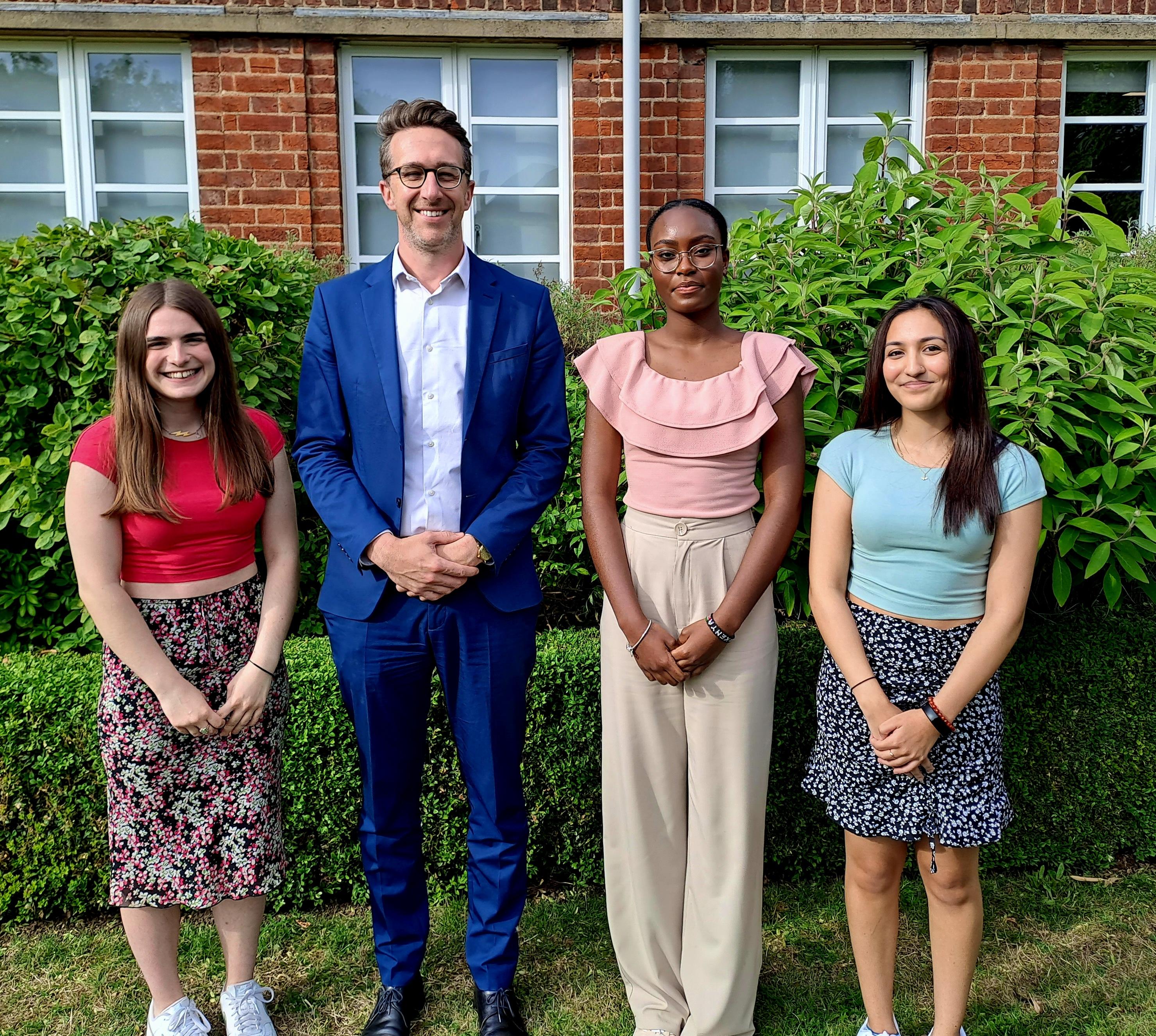
A key highlight from the Curriculum Conversation was the opportunity for parents to hear from BGS Alumnae, Meranie Kairu, Grace Gaffey and Matisha Joshi (2022). They each shared their own personal journey through the IB Diploma, eloquently describing how the skills and attributes they developed whilst engaged in the programme supported their transition to university life. Listening to their personal narratives made me reflect on my own reasons for becoming an IB educator and leader; these are some of my thoughts:
Holistic Learning
The Diploma Programme encourages students to explore a broad range of subjects, including languages, sciences, humanities, mathematics, and the arts. By offering a well-rounded curriculum, we can foster a deep understanding of different disciplines and promote interdisciplinary thinking. This comprehensive approach equips students with a solid foundation for higher education and prepares them to tackle complex challenges in various fields.
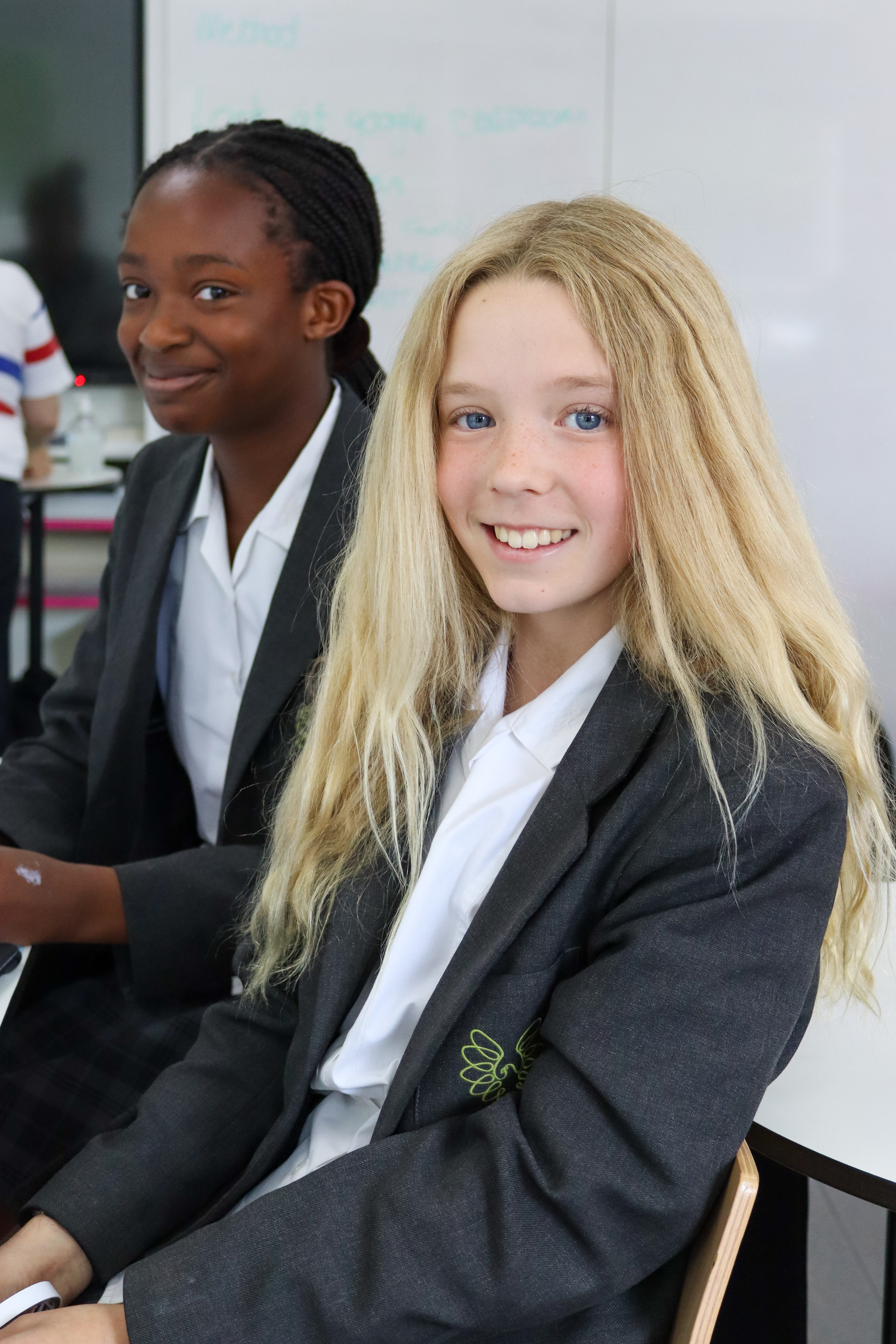
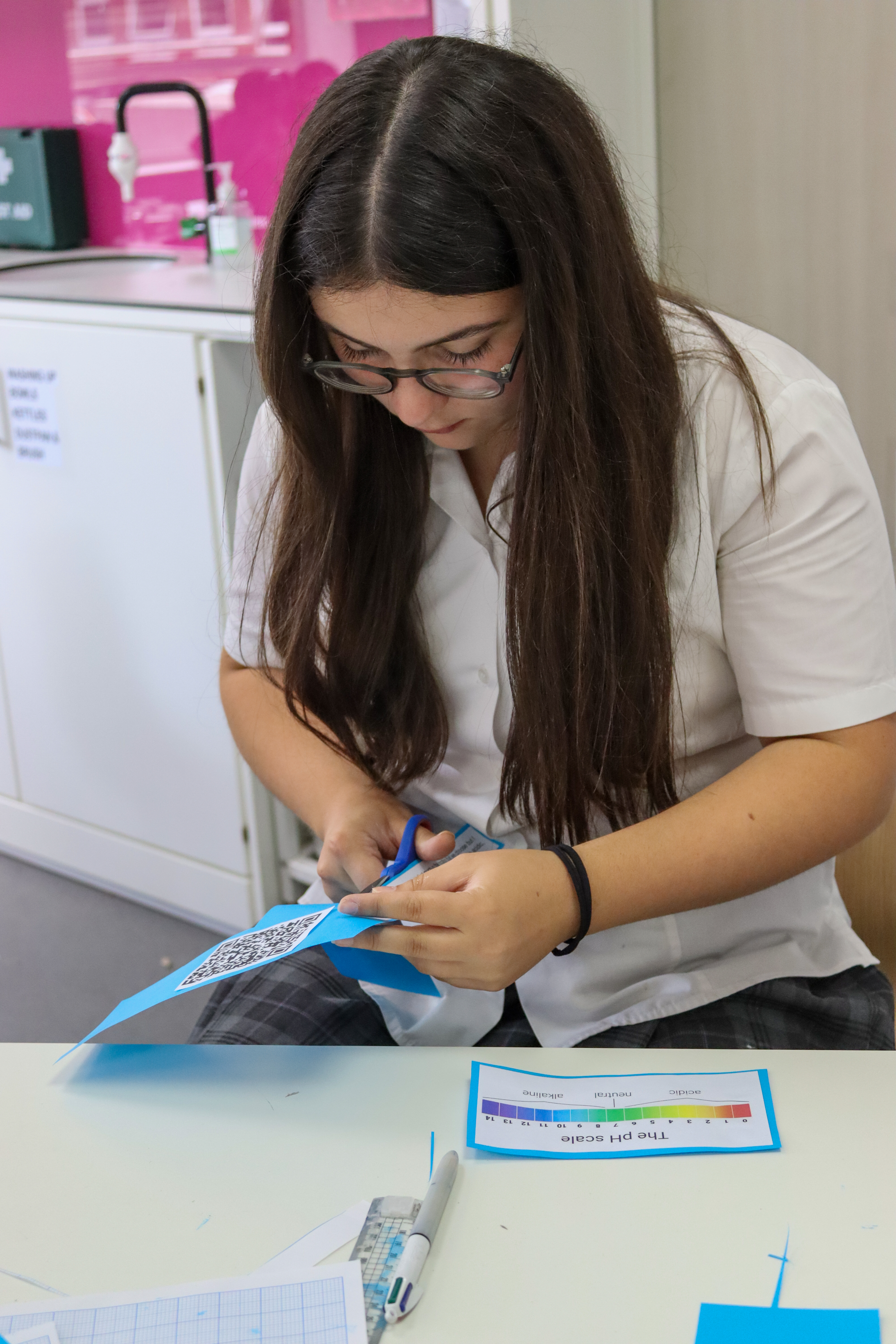
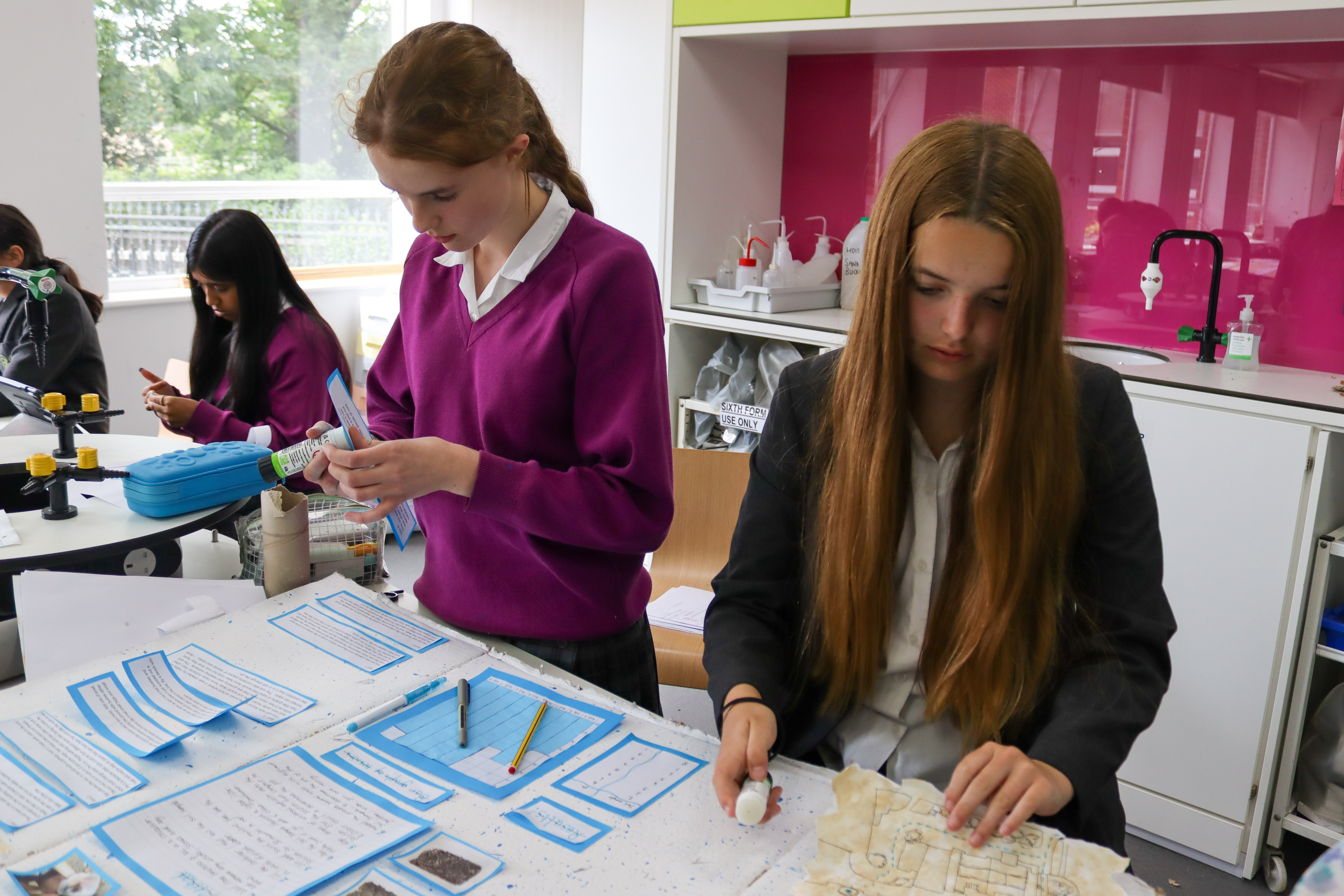
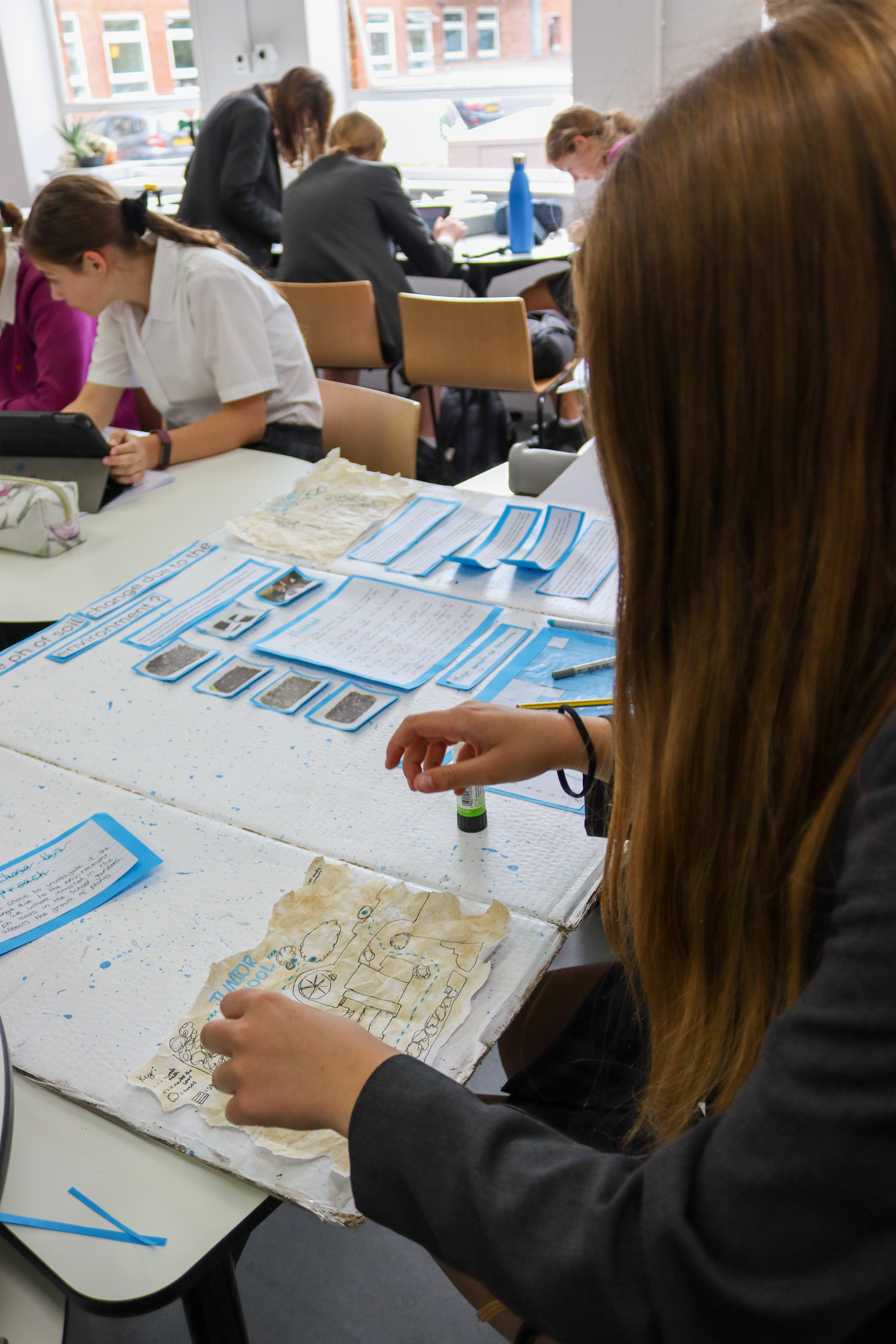
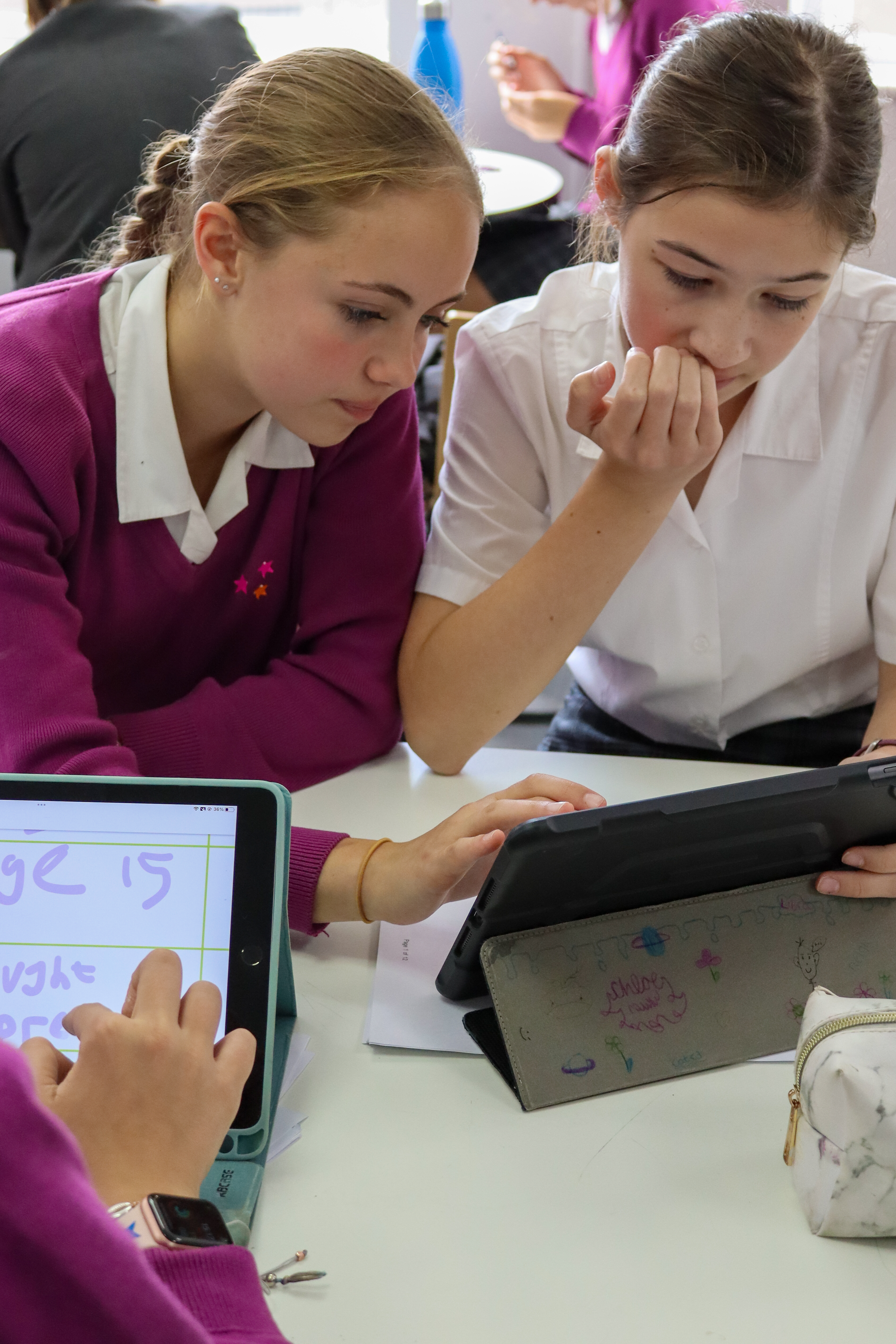
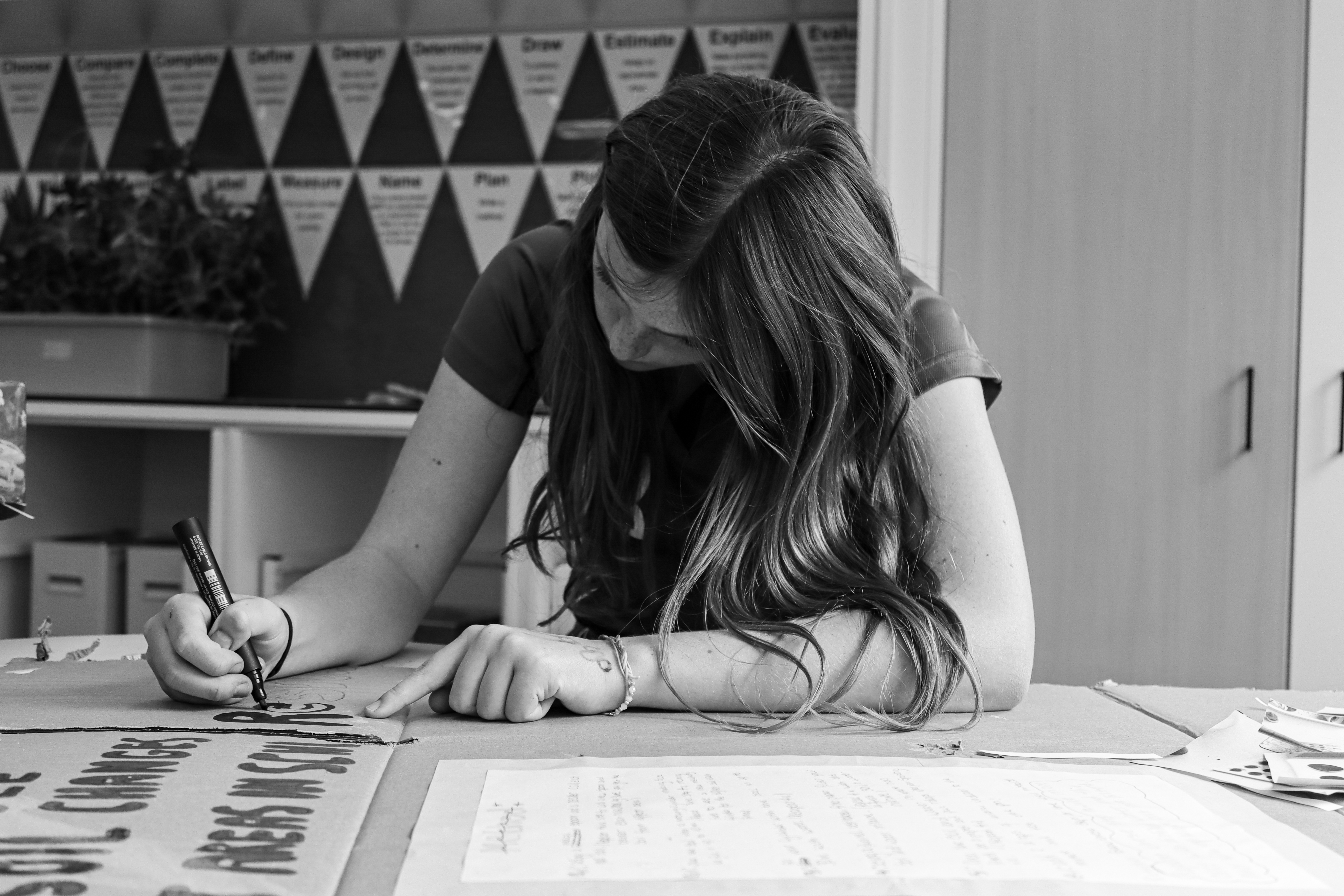
Photos from the IB Day
Critical Thinking and Inquiry
The IB program places a strong emphasis on critical thinking and inquiry-based learning. Students are encouraged to question, analyse, and evaluate information from multiple perspectives. This approach not only develops their ability to think critically but also nurtures their curiosity and independent research skills. By actively engaging in the learning process, IB students become lifelong learners who can adapt to new situations, solve problems creatively, and make well-informed decisions.
Global Perspective and Cultural Understanding
In an increasingly interconnected world, it is essential for students to develop a global perspective. The IB curriculum integrates global issues, intercultural awareness, and international-mindedness throughout its courses. Through the study of diverse cultures, languages, and global challenges, students gain a deeper understanding of the interconnectedness of our world. This fosters empathy, tolerance, and respect for different cultures and perspectives, preparing students to become responsible global citizens.
Independent Learning and Self-Motivation
The IB program encourages students to take ownership of their learning journey. By offering a degree of flexibility in subject choices and research topics, students can explore their passions and tailor their education to their strengths and interests. This freedom fosters independent learning, self-motivation, and the development of time management skills. IB students are empowered to set goals, manage projects, and take responsibility for their own academic success, providing a solid foundation for future endeavours.
In conclusion, the IB’s holistic approach, emphasis on critical thinking and global perspective, and commitment to excellence shape students into well-rounded individuals ready to navigate the complexities of the world. By nurturing independent thinking, intercultural understanding, and a passion for lifelong learning we can continue to support IB graduates from BGS to gain the same levels of success as Grace, Meranie and Matisha.

