By Mr Gardner, Senior Deputy Head – Teaching and Learning
As we conclude this first half term, I am thrilled to reflect on the incredible efforts of our Lower Sixth IB students in the Group 4 Science project, which is a foundational aspect of the IB Diploma Programme that fosters collaboration, interdisciplinary exploration, and innovative problem-solving. This project unites students across biology, chemistry, physics, and computer science to tackle complex, real-world issues in meaningful ways. It also demonstrates how quickly the IB approaches to learning are being embedded as the students tackle the project through wide perspectives and a variety of methods.
This year, each group chose a unique theme that addressed a crucial environmental question, showcasing their creativity and commitment to sustainability. One group focused on the question: How do we improve water quality through sustainable means? Through extensive research into eco-friendly filtration methods and low-impact water treatment options, they developed solutions that reduce pollution without compromising the health of ecosystems. This group’s work highlighted how sustainable approaches can enhance water quality and benefit both people and the environment.
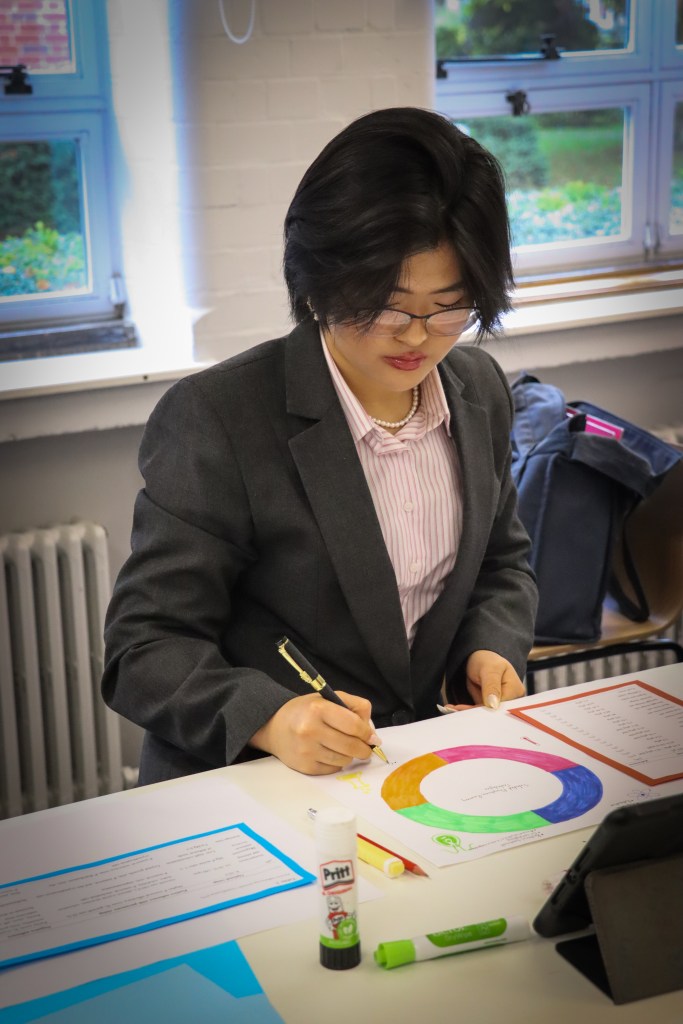
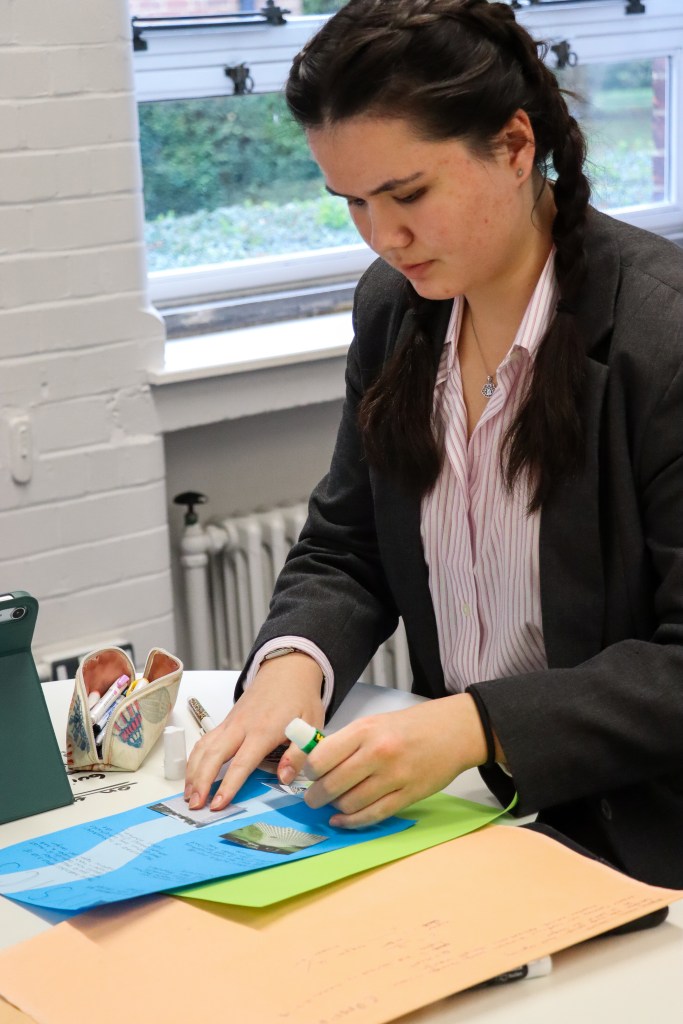
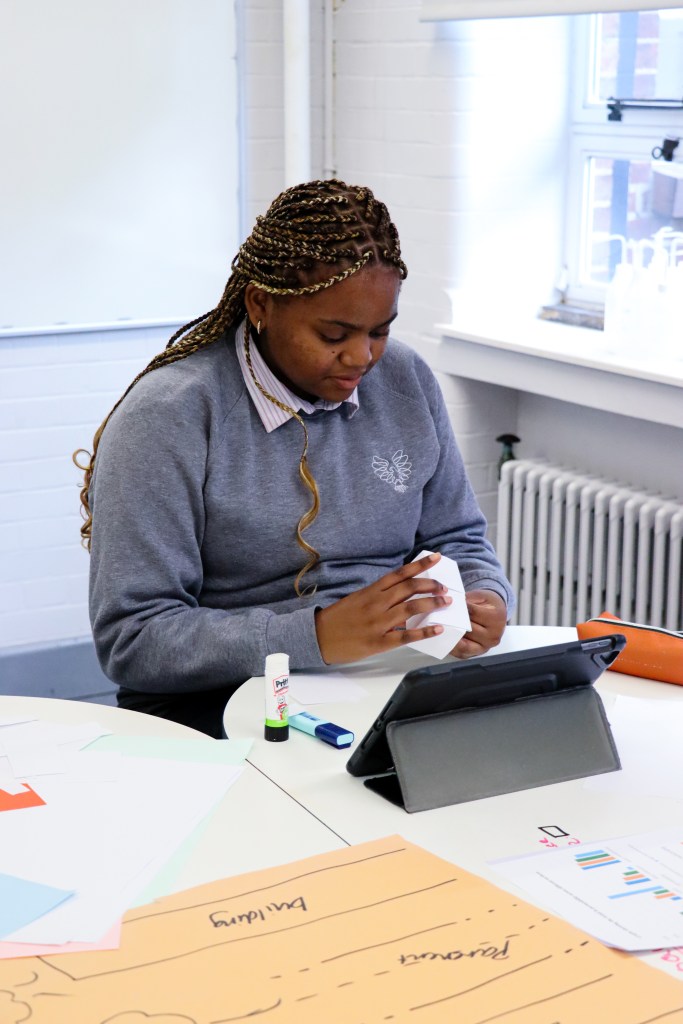
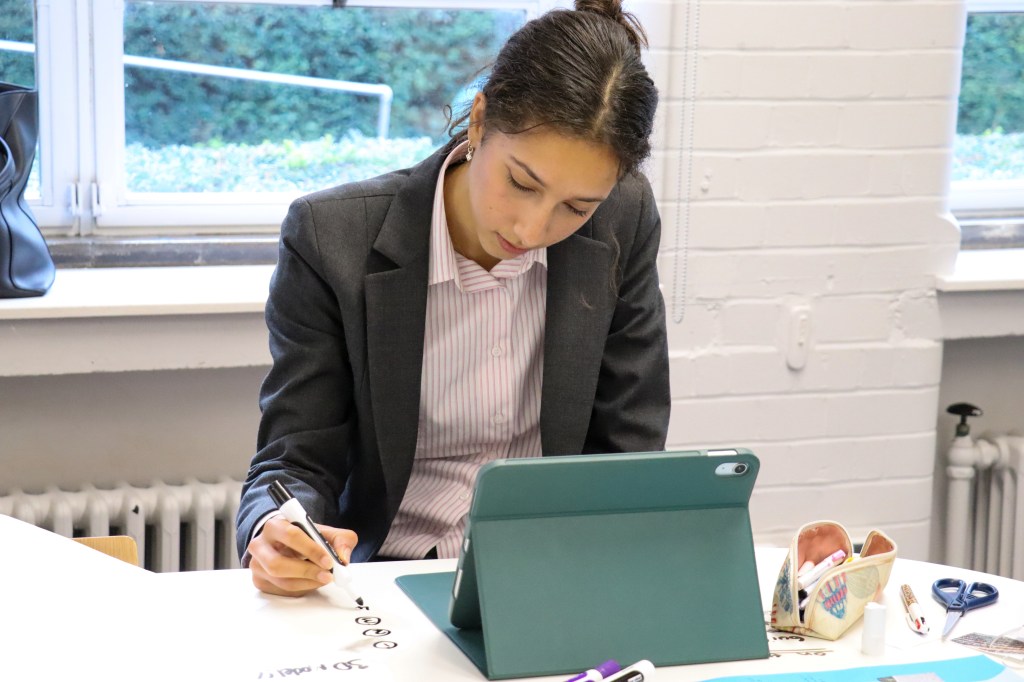
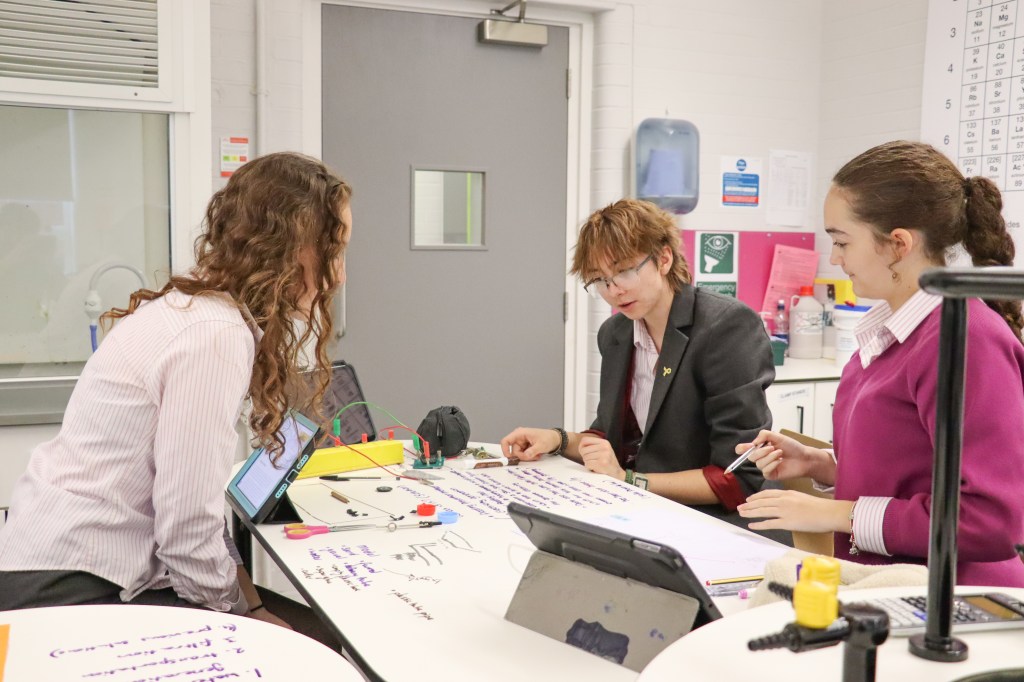
Another group addressed the pressing issue of managing water resources in rapidly urbanising areas. They explored how infrastructure, technology, and efficient planning could optimise water use and support growing urban populations. Their project underscored the complexities of urban water management and demonstrated the importance of integrated solutions to meet rising demand sustainably.
A third group examined the question: In what ways can we use excess water to generate electricity? With a focus on renewable energy, this group explored innovative approaches to capturing energy from surplus water through small-scale hydropower and wastewater energy recovery methods. Their project provided insight into how renewable energy sources can support a sustainable future by using resources that might otherwise be overlooked.
The Group 4 project perfectly exemplifies the IB’s commitment to fostering critical thinking, collaboration, and real-world problem-solving. Students not only studied science in theory; they applied it to address some of today’s most urgent environmental challenges. Working across disciplines allowed them to gain a comprehensive view of complex issues and to develop the practical skills needed to create meaningful solutions.
I am immensely proud of our students’ commitment to sustainable change. Their projects serve as a testament to the power of science education in inspiring a new generation of environmentally conscious, globally minded thinkers. I am confident that their work will motivate others to see the potential of science in shaping a sustainable future.
 BGS Deputy Head's Blog